Harper Keller · 30 September 2026
Citizen-Led Soil Sampling Efforts Expose Nutrient Cycles Beneath Lindenwald Woodlands
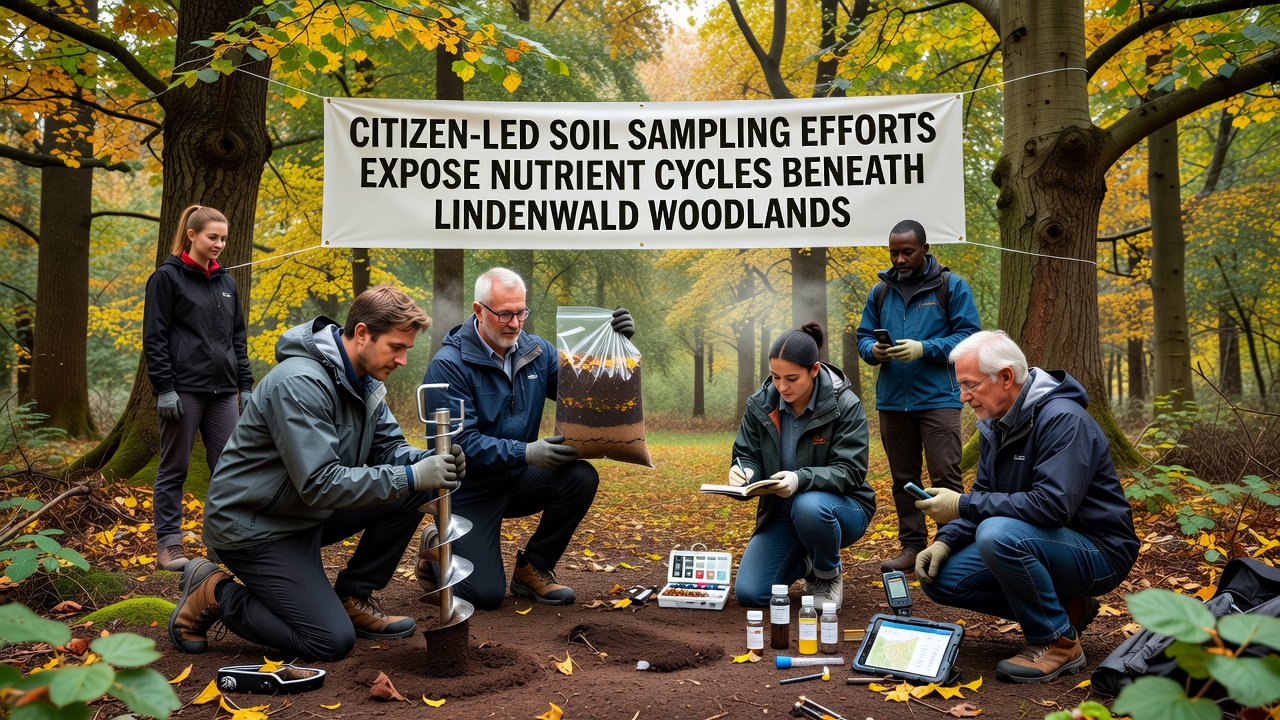
Local residents and environmental groups have organized systematic soil sampling campaigns across Lindenwald Woodlands, and these initiatives have produced detailed maps of nutrient distribution in the forest floor and subsoil layers. Participants use standardized protocols to collect cores at regular intervals, then analyze samples for nitrogen, phosphorus, potassium, and organic carbon levels. Data collected over multiple seasons shows distinct patterns where leaf litter decomposition feeds into microbial activity, which in turn influences nutrient availability for tree roots and understory plants.
Methods and Community Coordination
Teams divide the woodlands into grid sections and rotate collection duties throughout the year, while trained volunteers handle laboratory testing with portable kits and send subsets to regional labs for verification. Equipment includes augers, pH meters, and moisture sensors that record conditions at different depths. Records from these efforts indicate that nitrogen concentrations peak in areas with dense beech canopy during autumn months, whereas phosphorus levels remain more stable near stream banks where sediment deposition occurs regularly.
Seasonal Data Collection in 2026
September 2026 marked a major push when additional volunteers joined existing groups to expand sampling coverage before leaf fall altered surface chemistry. Morning sessions focused on upper slopes, and afternoon shifts covered valley bottoms; this schedule allowed teams to capture variations tied to sunlight exposure and drainage patterns. Results compiled from that period reveal elevated carbon-to-nitrogen ratios in older growth zones compared with younger stands, suggesting slower decomposition rates where shade limits microbial populations.
Nutrient Cycle Patterns Identified
Analysis of the accumulated samples points to closed-loop cycling in undisturbed sections, where nutrients released from decaying wood return quickly to living roots through mycorrhizal networks. In contrast, edges bordering agricultural fields show higher nitrate readings that trace back to runoff events documented in weather logs. Potassium distribution appears linked to wind-transported leaf fragments, with accumulations forming in depressions that trap organic debris during storms.
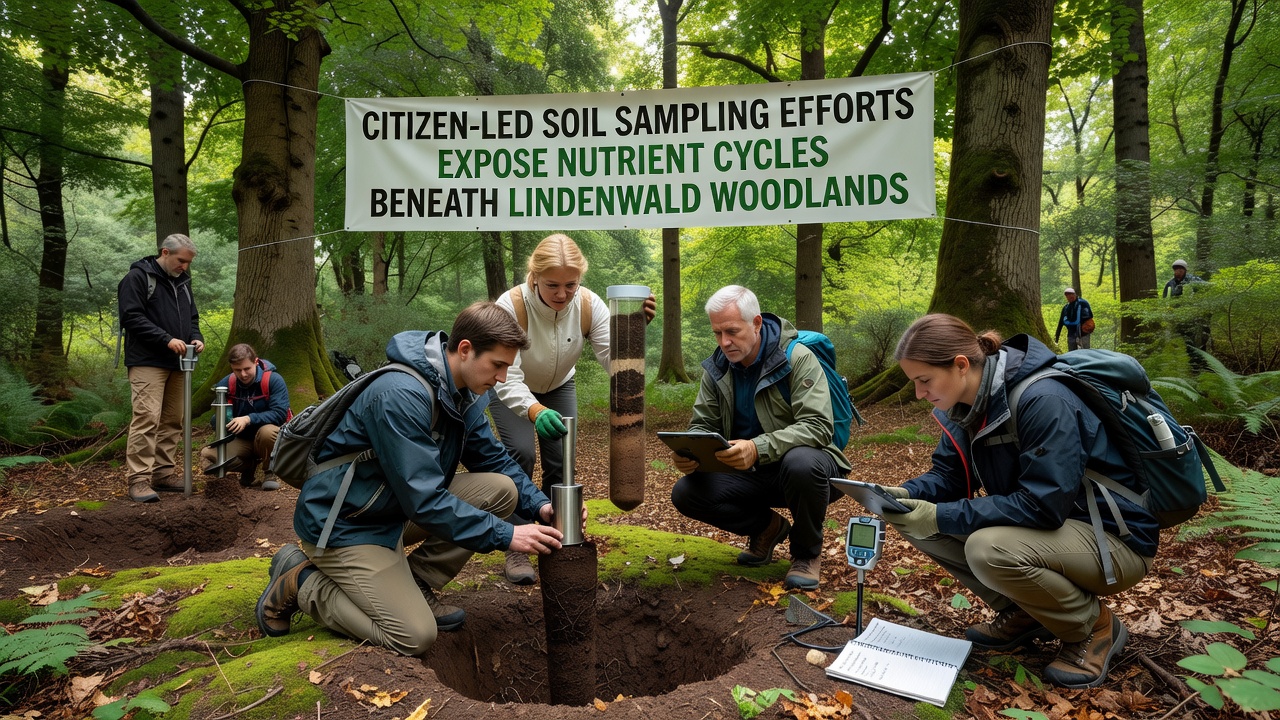
Researchers at cooperating universities have cross-referenced these citizen datasets with satellite imagery of canopy density, and the combined records highlight how microtopography shapes moisture retention that affects phosphorus solubility. One study published by the European Environment Agency notes similar nutrient stratification in comparable temperate woodlands across central Europe, providing context for the Lindenwald findings. Observers note that repeated sampling at the same points over three years demonstrates gradual shifts in organic matter content following periods of heavy rainfall.
Integration with Broader Environmental Monitoring
Groups share their raw data through open repositories that allow comparison with national soil surveys conducted by the German Federal Environment Agency. Those national figures reveal average nitrogen deposition rates for the region, and local measurements align closely except in zones influenced by nearby footpaths where compaction reduces aeration. Volunteers also track earthworm activity as an indicator of soil mixing, and counts correlate with higher potassium mobility in the upper twenty centimeters of soil.
Additional partnerships with botanical societies have added plant tissue sampling to the program, which helps trace how nutrients move from soil into foliage. Data from these paired collections show that certain fern species concentrate phosphorus at rates several times higher than surrounding leaf litter, creating localized hotspots that influence seedling establishment. Records maintained since 2023 document these interactions without interruption, building a continuous timeline that captures both annual cycles and longer-term trends.
Conclusion
The ongoing citizen sampling program continues to generate baseline measurements that document nutrient flows beneath Lindenwald Woodlands, and the resulting datasets support mapping efforts used by regional planners. Continued collection through subsequent seasons will extend the record, allowing direct comparison of nutrient dynamics before and after any future changes in land use or climate patterns. Public access to the compiled information remains available through the project website and linked repositories maintained by participating institutions.